Losing one or more teeth changes more than your smile — it affects how you eat, speak, and feel every day. When deciding how to replace them, two options dominate the conversation: dental implants and partial dentures. Both restore function and aesthetics, but they differ in procedure, comfort, and longevity. One integrates directly with your jawbone, offering a near-permanent solution; the other provides an affordable, removable fix that works for most patients. In this article, we explore how these two approaches compare — so you can make an informed, confident decision about your oral health and lifestyle.
Key Takeaways
- Dental implants provide a long-term, natural-looking solution that integrates directly into the jawbone.
- Partial dentures are a more affordable, non-invasive option, but they often require periodic adjustments and replacement.
- Implants typically have higher upfront costs but lower long-term maintenance expenses.
- Material, durability, and patient comfort differ significantly between the two solutions, influencing both function and confidence.
What are the main differences between dental implants and partial dentures?
When patients consider replacing missing teeth, they often weigh dental implants against partial dentures. At first glance, both appear to achieve the same goal: restoring function and aesthetics. But under the surface, the two treatments differ dramatically in design, procedure, materials, and longevity.
Definitions and procedure overview
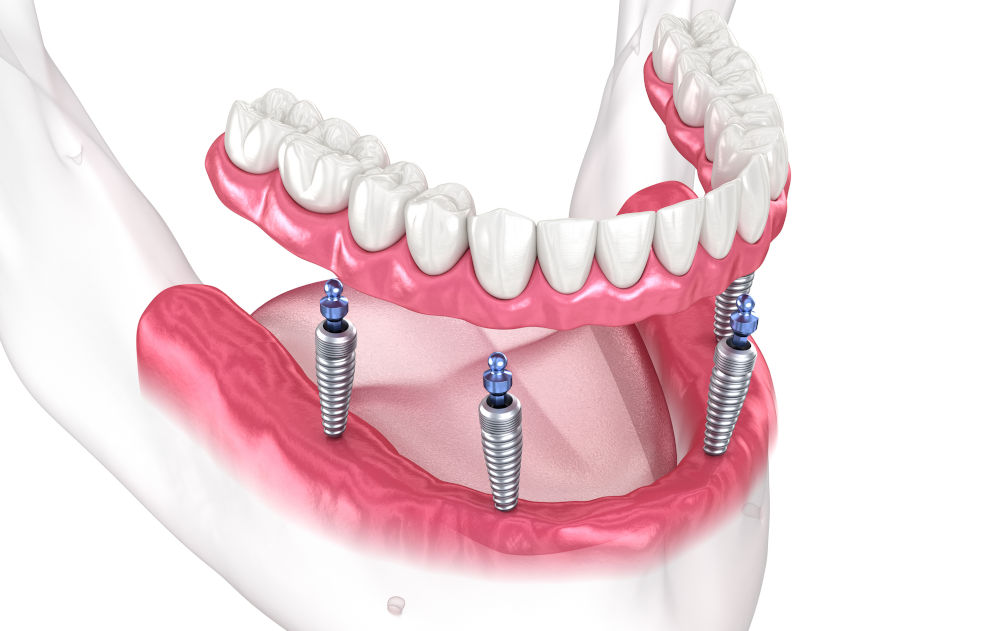
Dental implants involve surgically placing a titanium or zirconia post into the jawbone. This acts as an artificial tooth root, supporting a crown that looks and functions like a natural tooth. The process typically requires multiple stages:
- Consultation and imaging to assess bone density.
- Implant placement surgery.
- Osseointegration, where the implant fuses with bone (3–6 months).
- Abutment and crown placement.
By contrast, partial dentures are removable prosthetic devices designed to replace one or more missing teeth. They rest on the gums and often attach to surrounding teeth via metal clasps or precision attachments. The fitting process includes:
- Mouth impressions and bite registration.
- Framework and tooth fabrication.
- Fitting and adjustments.
Longevity and materials
The key differentiator? Integration versus attachment.
Implants integrate with bone, preventing bone loss and preserving facial structure. Partial dentures merely rest on soft tissue, leading to gradual jaw resorption over time.
| Feature | Dental Implants | Partial Dentures |
|---|---|---|
| Material | Titanium/Zirconia + Porcelain crown | Acrylic, Resin, or Metal framework |
| Placement | Surgically inserted into the bone | Rests on gums, removable |
| Lifespan | 20+ years (often lifelong with care) | 5–7 years before replacement |
| Comfort | Feels natural, fixed | May feel bulky, removable |
| Bone Preservation | Yes | No |
| Maintenance | Brush & floss like natural teeth | Daily removal and cleaning |
According to research published by the Canadian Dental Association, implants show over 95% success rates at 10 years, while partial dentures typically require rebasing or replacement within a decade due to changes in bone structure and fit.
Dr. James C.H. Ko, DDS, explains:
“Dental implants are the closest replacement to natural teeth in both function and aesthetics. They protect bone health and offer a stable bite — something removable prosthetics can’t fully replicate.”
How do dental implants and partial dentures compare in terms of cost?
Cost remains a central deciding factor for most patients. At first glance, partial dentures appear significantly cheaper, but that’s only part of the story.
Initial cost and insurance coverage
- Dental implants in Canada can range from $3,000 to $6,000 per tooth, depending on the need for bone grafting, materials, and prosthetic design.
- Partial dentures are typically between $800 and $2,000, depending on the materials and number of teeth replaced.
Insurance plans may partially cover dentures, as they fall under removable prosthetics. Implants, on the other hand, are sometimes categorized as elective, though an increasing number of insurance providers now offer partial reimbursement due to their long-term medical benefits.
Maintenance and long-term value
Here’s where the balance shifts. Partial dentures require periodic relining or replacement every 5–7 years, plus ongoing costs for adhesives and cleaning products. Implants, however, require minimal maintenance beyond routine hygiene and professional checkups.
| Cost Factor | Dental Implants | Partial Dentures |
|---|---|---|
| Initial Cost (per tooth) | $3,000–$6,000 | $800–$2,000 |
| Maintenance Costs | Low | High (adhesives, adjustments) |
| Insurance Coverage | Partial (varies by plan) | Often covered |
| Long-Term Value (20 years) | Cost-effective | Cumulative expenses higher |
A 2025 study by the Canadian Institute for Health Information (CIHI) found that, over a 20-year period, implant patients spent 25–30% less overall than those relying on recurring denture replacements. So, while the initial investment is higher, the long-term economic efficiency of implants often prevails.
Are dental implants more durable than partial dentures?
Durability directly affects comfort, confidence, and value. And here, dental implants clearly outperform.
Lifespan and wear
Implants are designed to last decades — sometimes a lifetime. The titanium post integrates with the jawbone through osseointegration, forming a stable base that resists decay. The prosthetic crown may need replacement after 10–15 years due to normal wear.
Partial dentures, in contrast, suffer from wear, warping, and bone resorption. As the jawbone naturally changes shape, the denture fit loosens, leading to irritation and potential sores.
Patient experiences and repairs
Patient reports across Canadian dental forums often highlight comfort and stability as the most significant differences. Many denture wearers mention discomfort during meals and the need for adhesives, while implant patients praise the “natural feel” and freedom from maintenance routines.
Research-backed durability
In a systematic review published by the Journal of Prosthetic Dentistry, dental implants demonstrated 10-year survival rates exceeding 93%, while removable partial dentures averaged around 60–70% functional longevity before major repair or replacement was required.
What are the pros and cons of dentures vs implants?
When comparing dentures and implants, the real distinction lies in how they integrate with your mouth and affect daily life. Both restore appearance and function — but they do so in very different ways.
Aesthetics and comfort
Dental implants look and feel like natural teeth because they’re anchored into the jawbone. This stability prevents movement, enhancing confidence during eating or speaking. Dentures, on the other hand, may shift slightly, especially if the bone underneath changes shape over time. However, modern dentures are far more aesthetic than their predecessors, using advanced acrylics and custom shading to match gum tissue.
| Feature | Dental Implants | Dentures |
|---|---|---|
| Aesthetic appeal | Highly natural, custom shade matching | Improved realism but may lack translucency |
| Comfort | Fixed, stable, no adhesives | May cause initial irritation or require adjustments |
| Maintenance | Brush and floss like natural teeth | Must be removed and cleaned daily |
| Adaptation time | Minimal once healed | 1–2 weeks for speech and fit adjustment |
| Longevity | 20+ years | 5–8 years before replacement |
Hygiene and function
Implants allow normal brushing and flossing, maintaining gum health. Dentures require special cleaners and overnight soaking to prevent bacterial buildup. Functionally, implants restore up to 90% of natural chewing power, while dentures offer roughly 30–40%, depending on fit.
Pros and cons summary
Implants:
- Permanent and natural-looking
- Preserve bone structure
- Higher initial cost
- Requires surgery and healing time
Dentures:
- Affordable and non-surgical
- Quick fabrication process
- Less stable and may require adhesives
- Accelerates bone loss if used long-term
Is a lower partial denture a good alternative to implants?
Lower partial dentures are often chosen when multiple teeth are missing, but the patient isn’t ready for implant surgery. They’re particularly useful for restoring chewing function in the molar region.
Use cases and comfort
Lower dentures can be an excellent interim solution, especially for patients with medical conditions, budget constraints, or bone density issues. However, lower dentures tend to be less stable than upper ones because the tongue and floor of the mouth exert pressure during movement.
Chewing function and bone loss impact
While implants transmit chewing forces directly into the bone (maintaining density), dentures rest on the gum line. This leads to gradual bone resorption — a 1–2 mm loss per year on average without root stimulation.
Step-by-step: When lower partials make sense
- Initial assessment: If bone grafting is required for implants, partial dentures can serve as a temporary solution.
- Fabrication – Impressions are taken, and a custom metal-acrylic base is created.
- Trial fit and adjustments – Ensures comfort and bite alignment.
- Periodic follow-up: Relining every few years to maintain fit as the bone changes.
Bottom line: Lower partial dentures are a good short- to mid-term solution, but implants are the long-term investment in comfort and oral health.
When are partial dentures for front teeth the best choice?
Replacing visible teeth affects more than chewing — it impacts self-confidence, speech, and first impressions. For many, partial dentures for the front teeth offer a quick, cost-effective restoration.
Aesthetics and speaking function
Front partial dentures can restore the smile almost immediately, making them ideal after tooth extraction or trauma. They’re crafted to match surrounding teeth and gums. Speech adaptation takes a few days, though some patients notice a slight lisp at first.
| Feature | Front Partial Dentures | Front Implants |
|---|---|---|
| Time to complete | 1–2 weeks | 3–6 months (including healing) |
| Aesthetic realism | High with proper shading | Excellent, indistinguishable from natural teeth |
| Speech adaptation | Minor adjustment period | Minimal once integrated |
| Bone preservation | No | Yes |
| Longevity | 5–8 years | 20+ years |
Rapid solutions for visible teeth
Patients who need instant results — for example, after an accident or extraction — often start with a temporary front denture (flipper). It provides immediate appearance recovery until implants can be placed later.
Dr. Amir Guorgui explains:
“For patients who value a quick return to confidence, front partial dentures are a smart temporary option. But if you want permanence, implants are the natural next step.”
What is the recovery time for dental implants compared to dentures?
The recovery process is a key difference between dental implants and dentures. Implants require surgical placement, while dentures are non-invasive, making recovery timelines vastly different.
Surgery vs non-invasive approach
Implant surgery involves placing a titanium or zirconia post directly into the jawbone. The procedure is typically performed under local anesthesia, and mild swelling or discomfort may occur for a few days. Full healing — known as osseointegration — takes 3 to 6 months, allowing the implant to fuse with the bone.
In contrast, dentures require no surgery. Impressions are taken, and once the gums heal after extractions (if needed), dentures can be fitted within 1–2 weeks. This quick turnaround makes them a convenient choice for patients seeking immediate tooth replacement.
| Factor | Dental Implants | Dentures |
|---|---|---|
| Invasiveness | Surgical | Non-surgical |
| Initial Recovery Time | 1–2 weeks (soft tissue healing) | 1–2 days for adjustment |
| Full Healing Period | 3–6 months (osseointegration) | Immediate usability |
| Pain & Discomfort | Mild to moderate | Minimal |
| Lifestyle Restrictions | Temporary dietary limitations | Few or none |
Lifestyle and healing
Implant patients are advised to follow a soft food diet during early healing and avoid smoking to promote bone integration. After healing, implants allow complete freedom — eating apples, steaks, and crunchy foods without worry.
Dentures, on the other hand, may require dietary adaptation indefinitely, as hard or sticky foods can cause shifting or irritation.
Post-op care checklist (by dental professionals)
Dr. James C.H. Ko and Dr. Amir Guorgui recommend the following for implant recovery:
- Use cold compresses to reduce swelling within the first 24 hours.
- Avoid smoking and alcohol for at least 48 hours post-surgery.
- Rinse with warm salt water after meals to maintain hygiene.
- Consume nutrient-rich soft foods (e.g., yogurt, mashed vegetables).
- Attend follow-up visits for monitoring and professional cleaning.
Dentures require less adaptation time but require daily commitment to cleaning, fit adjustments, and wearing a gum rest overnight to prevent inflammation.
How do partial dentures affect jawbone health compared to implants?
A critical difference between dentures and implants lies in the preservation of the jawbone. Natural teeth stimulate bone growth through chewing pressure. When teeth are missing, bone resorption (loss) begins — and the choice of restoration affects that process.
Bone preservation and long-term impact
Dental implants replicate the function of natural tooth roots. They transmit pressure into the jawbone, encouraging new bone formation and maintaining facial structure. According to a study by the Canadian Dental Association, implants reduce bone resorption by up to 80% compared to removable prosthetics.
Partial dentures, in contrast, rest on the gums and provide no direct stimulation to the bone. Over time, this lack of stimulation leads to bone shrinkage, which can alter the facial profile and require frequent denture adjustments.
| Aspect | Dental Implants | Partial Dentures |
|---|---|---|
| Bone Stimulation | Yes, mimics natural roots | None |
| Jawbone Resorption Rate | Minimal (0.1 mm/year) | High (1–2 mm/year) |
| Facial Structure Preservation | Excellent | Gradual collapse possible |
| Long-Term Stability | Maintained | Decreases with time |
Which option is easier to maintain: dentures or implants?
Daily maintenance plays a huge role in determining overall satisfaction. While dentures seem simpler at first, their cleaning routines and fit maintenance often become more demanding over time.
Cleaning routine and infection risk
Implants mimic natural teeth and require standard brushing and flossing. Dental professionals recommend biannual check-ups for deep cleaning and monitoring gum health. Poor oral hygiene can lead to peri-implantitis, a gum inflammation similar to periodontal disease.
Dentures, however, must be removed daily for cleaning to prevent fungal growth and odour. They should be soaked in a denture solution overnight and brushed with a soft brush to remove debris.
| Task | Dental Implants | Dentures |
|---|---|---|
| Daily Cleaning | Brush and floss twice daily | Remove and soak overnight |
| Professional Care | Routine dental check-ups | Adjustments and relining every 6–12 months |
| Infection Risk | Low (with proper hygiene) | Moderate (fungal or bacterial risk) |
| Time Investment | 5–10 minutes daily | 15–20 minutes daily |
Step-by-step: maintenance guide
For implants:
- Use a soft-bristled toothbrush and non-abrasive toothpaste.
- Floss around each implant using a floss threader or water flosser.
- Visit your dentist twice a year for scaling and polishing.
For dentures:
- Remove after meals and rinse under lukewarm water.
- Brush gently using a denture brush and mild cleanser.
- Soak overnight in denture solution.
- Allow the gums to rest overnight to prevent sores.
Practical conclusion
Implants require less daily effort but more initial commitment. Dentures demand daily removal, cleaning, and periodic adjustment. Most patients who transition from dentures to implants cite improved convenience and oral freshness as key motivators.
How does age affect whether you should choose implants or dentures?
Age can influence the decision between dental implants and dentures, but it’s not the sole determining factor. What matters more is bone density, healing capacity, and long-term planning.
Bone density and healing capacity
Older adults with significant bone loss, however, may require bone grafting before implant placement. Dentures, by contrast, can be fitted regardless of bone quality, making them a reliable solution for individuals with advanced resorption or medical contraindications for surgery.
| Factor | Dental Implants | Dentures |
|---|---|---|
| Bone Density Requirement | High (may need grafting) | Low |
| Healing Time | 3–6 months | Minimal |
| Surgical Risk | Moderate | None |
| Longevity | 20+ years | 5–8 years |
| Comfort Level (Seniors) | Excellent post-healing | Variable; may loosen over time |
Financial planning and lifestyle considerations
Older adults often consider the financial implications of long-term treatment. While implants have higher upfront costs, they often eliminate future expenses for relining, repairs, or adhesives. Dentures, on the other hand, require periodic replacements, which may become more frequent as the jawbone changes.

Are implants or partial dentures better for long-term oral health?
Long-term oral health depends on how well the restoration supports gum tissue, adjacent teeth, and jawbone.
Gum and bone health
Implants behave like natural roots, transmitting chewing forces into the bone and preventing bone shrinkage. Dentures and partials, by contrast, rest on the gums and can compress soft tissue, leading to irritation and bone resorption.
| Health Aspect | Implants | Partial Dentures |
|---|---|---|
| Gum Pressure | Evenly distributed | Concentration may cause soreness |
| Bone Stimulation | Yes | No |
| Plaque Accumulation | Low with brushing | Higher without diligent cleaning |
| Adjacent Tooth Impact | Protects neighbouring teeth | May require clasps that stress natural teeth |
Stability and oral hygiene
Implants provide fixed, stable support, enhancing chewing power and speech. Partial dentures may loosen over time, especially as bone resorption progresses. On Canadian dental forums, patients frequently report improved chewing efficiency and self-confidence after switching from partial dentures to implants.
What’s the final verdict on dental implants vs partial dentures?
After comparing aesthetics, function, cost, maintenance, and long-term outcomes, the conclusion is clear — both options serve different patient needs.
Summary of comparisons
| Category | Dental Implants | Partial Dentures |
|---|---|---|
| Aesthetics | Most natural appearance | Good, but removable |
| Functionality | High chewing power | Moderate |
| Comfort | Fixed and stable | May shift or cause soreness |
| Bone Preservation | Excellent | None |
| Maintenance | Low, similar to natural teeth | High, daily removal required |
| Cost (Initial) | High | Low |
| Cost (Long-term) | Lower overall | Higher due to replacements |
| Healing Time | Several months | Minimal |
| Suitability (Age) | Requires bone density | Works for most patients |
Final takeaway
- Choose implants if you want permanent, natural-feeling teeth and can commit to the surgical recovery and associated costs.
- Consider partial dentures if you need a quicker, more affordable, and non-invasive solution, or if youhave medical restrictions.
For personalized guidance, visit All On Four Dental Implants Canada or read our Dental Implant vs Denture Guide to determine which treatment aligns best with your long-term oral health goals.
H2: FAQ
How long do dental implants last compared to partial dentures?
With good care, implants can last 20 years or more, while partial dentures usually need replacement every 5–7 years.
Are dental implants painful to get?
The procedure is done under local anesthesia. Most patients report only mild soreness for a few days afterward.
Can seniors get dental implants?
Yes — age is not a barrier. The main factors are bone density and overall health.
Which is more affordable — implants or dentures?
Partial dentures cost $800–$2,000, while implants are $3,000–$6,000 per tooth. Yet implants are often cheaper over the long term because they last decades.
How do dentures affect bone health?
Dentures don’t stimulate the jawbone, which can lead to bone resorption. Implants help maintain bone density like natural roots.
Which option requires more maintenance?
Dentures require daily removal and soaking, while implants are maintained with regular brushing and flossing, as with natural teeth.